


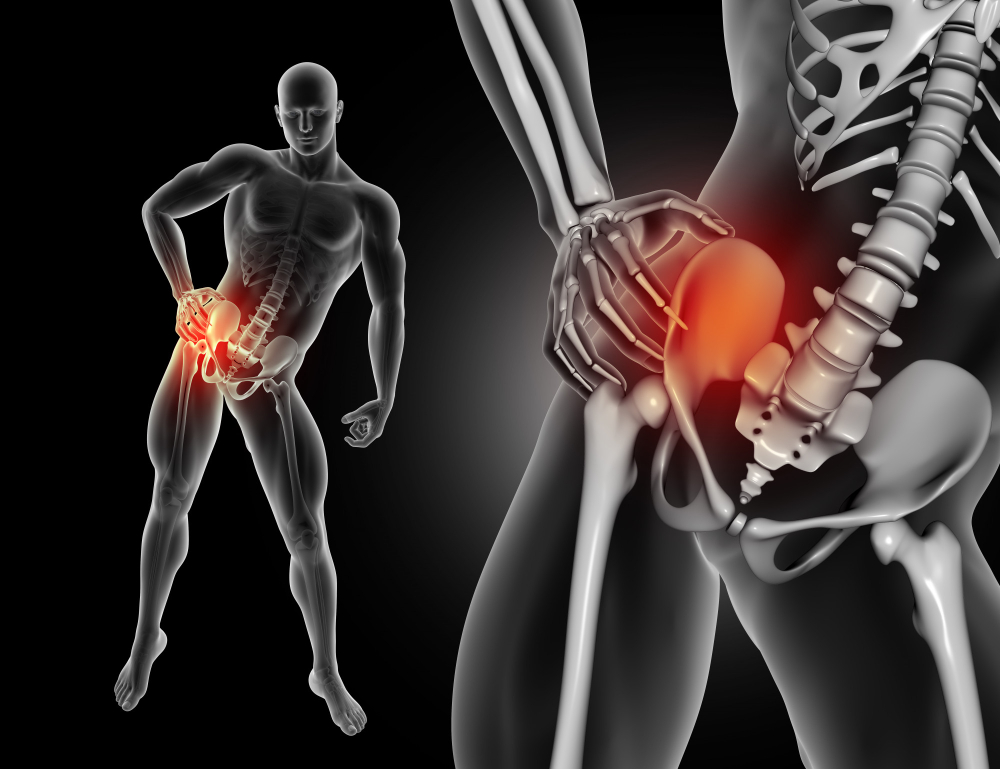
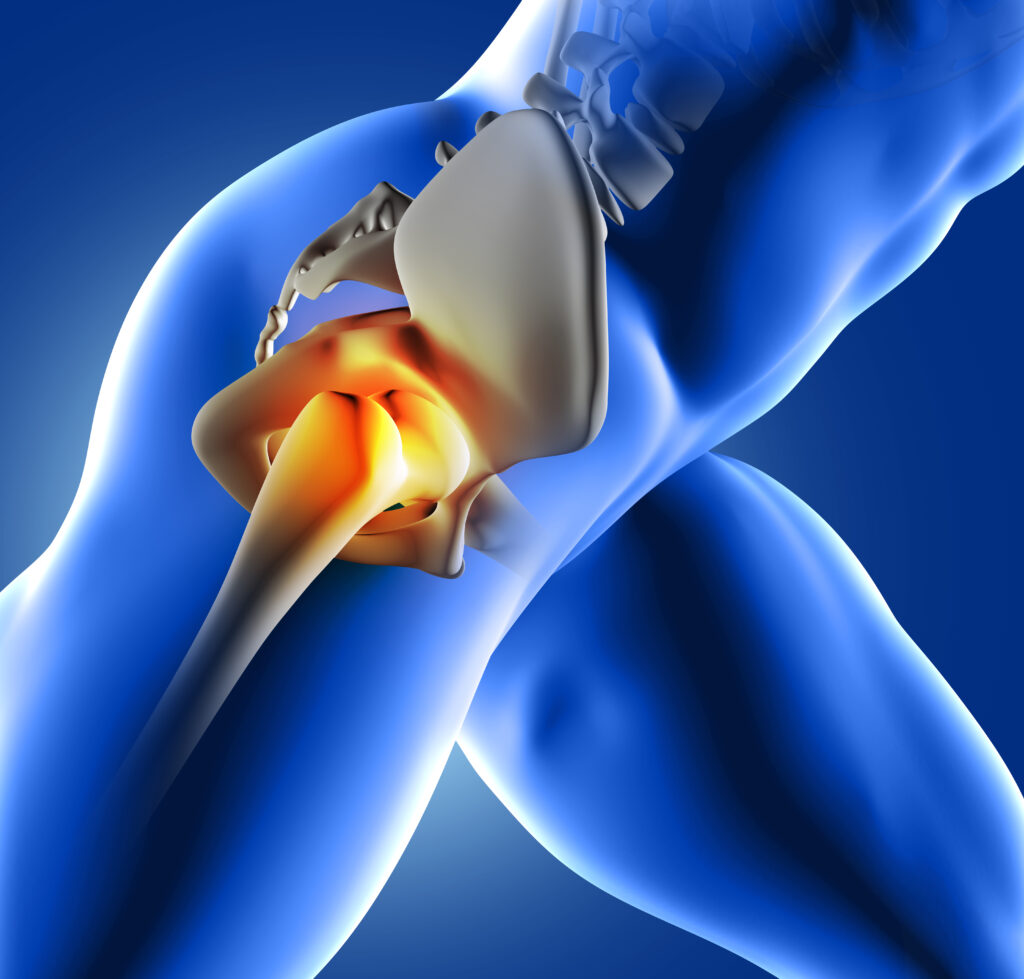
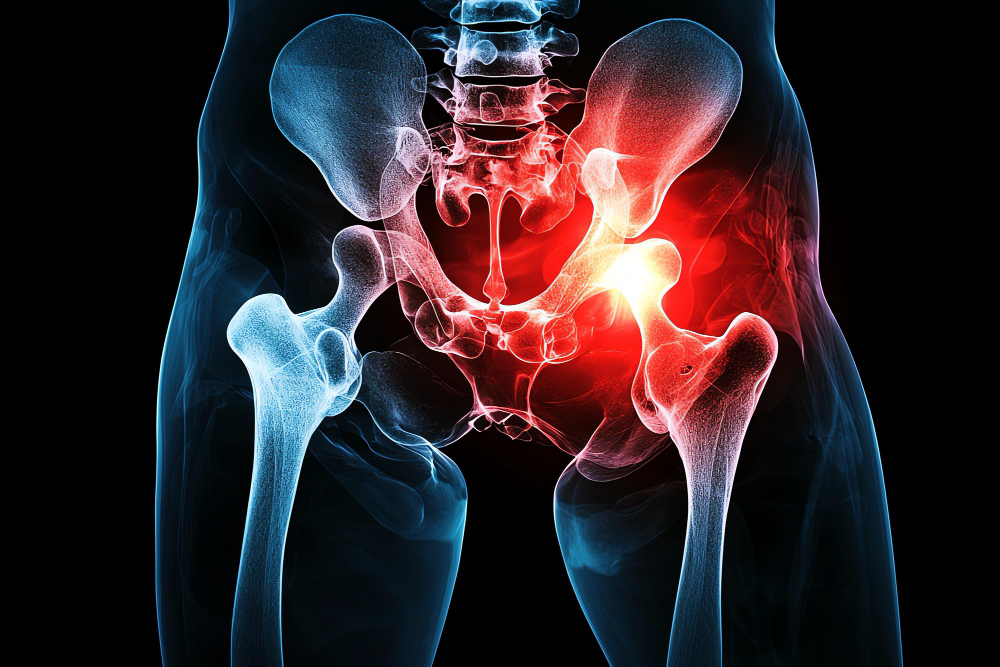

Hip pain can affect walking, sitting, climbing stairs, and everyday movement. It may develop gradually due to joint wear, muscle strain, or underlying hip conditions. While mild discomfort may improve temporarily with rest, persistent hip pain often requires proper evaluation and treatment.
At Vijaya Orthopaedics & Sports Injury Clinic, we provide accurate diagnosis and personalized treatment for hip pain in Attibele, Bangalore, focusing on restoring mobility, reducing discomfort, and improving long-term joint health.
The hip joint plays a major role in supporting body weight and allowing smooth movement during walking, standing, and physical activity. Stress on the joint from ageing, injury, sports activity, or joint degeneration can lead to pain, stiffness, and reduced movement.
Ignoring hip pain may worsen joint damage and affect daily activities. Early evaluation helps identify the underlying cause and allows timely treatment.
Evaluation begins with understanding symptoms, medical history, and daily activity patterns. A detailed physical examination helps assess hip movement, joint stability, and pain location.
Imaging tests such as X-ray or MRI may be recommended when required to identify the exact cause of hip pain and plan appropriate treatment.
Book an appointment at Vijaya Orthopaedics & Sports Injury Clinic for accurate diagnosis and personalized treatment.
We provide treatment for a range of hip-related problems, including
Sports activities, gym workouts, and repetitive movements can place stress on the hip joint. Proper diagnosis and guided rehabilitation help restore strength and allow a safe return to sports or physical activity.
No. Hip pain can also occur due to injury, sports activity, or joint conditions.
Yes. Many hip conditions can be treated successfully with non-surgical care when diagnosed early.
If hip pain persists, affects walking, or worsens over time, medical evaluation is recommended.
Not always. Imaging tests are suggested only when needed, based on symptoms and physical examination findings.
Recovery time depends on the cause of knee pain, treatment approach, and following the recommended care plan.
Painkillers may reduce discomfort temporarily but do not treat the underlying cause of knee pain.
If knee pain is associated with swelling, instability, difficulty walking, or injury, early consultation is advised.
If you’re experiencing joint pain, sports injury, or movement-related issues, early consultation can help guide proper care and recovery.